When AI Improves Performance, What Happens to Learning? (Seminar Note)
Below are my own raw note. The images belong to the speaker or the organizer. Content for reference only. The speaker and organizer hold the ultimate authority. The speaker was speaking fast and great enthusiasm, so there are lots of screenshots.
When AI Improves Performance, What Happens to Learning?
Date: 13 October 2026
Time: 12:00–13:30 HKT
Location: Room 715, 7/F, Jockey Club Tower, Centennial Campus, HKU
Speaker: Prof. Dragan Gašević, HKU Chair Professor of Learning Analytics and AI, and leading researcher in AI-supported learning.
Abstract summary: AI boosts task performance but may not improve actual learning. The talk explores how AI overreliance can weaken independent thinking, and how thoughtful AI use, verification, and assessment can support durable knowledge and skills.
Event link: https://web.socsc.hku.hk/event/brown-bag-seminar-series-when-ai-improves-performance-what-happens-to-learning/
intention: use AI so we amplify existing capability/learn better
How should we prepare learners in AI era?
key takeaways:
- No free lunch for learners: illusion of learning
- metacognition is the key to productive
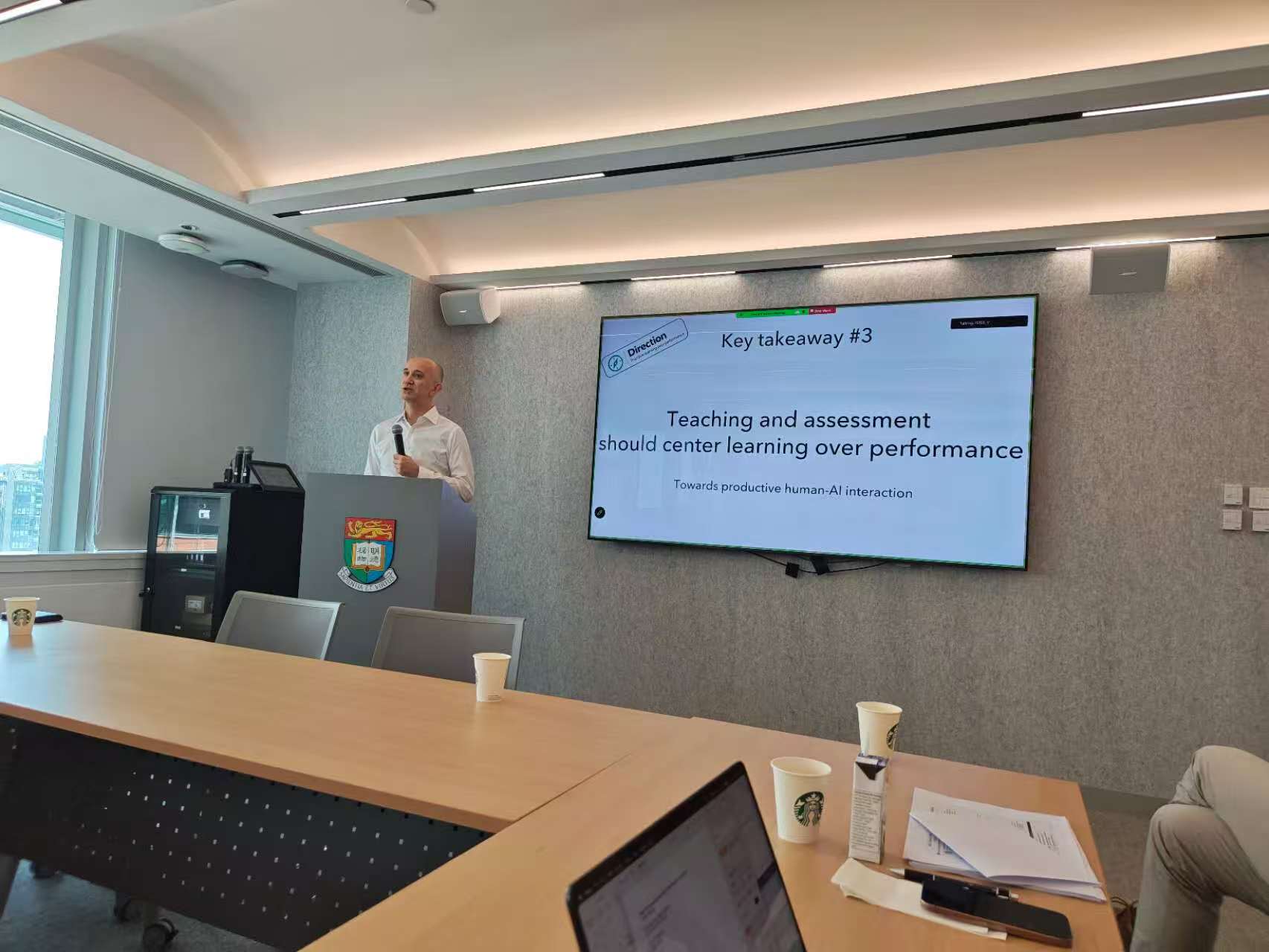
- teaching and assessment should center learning over performance
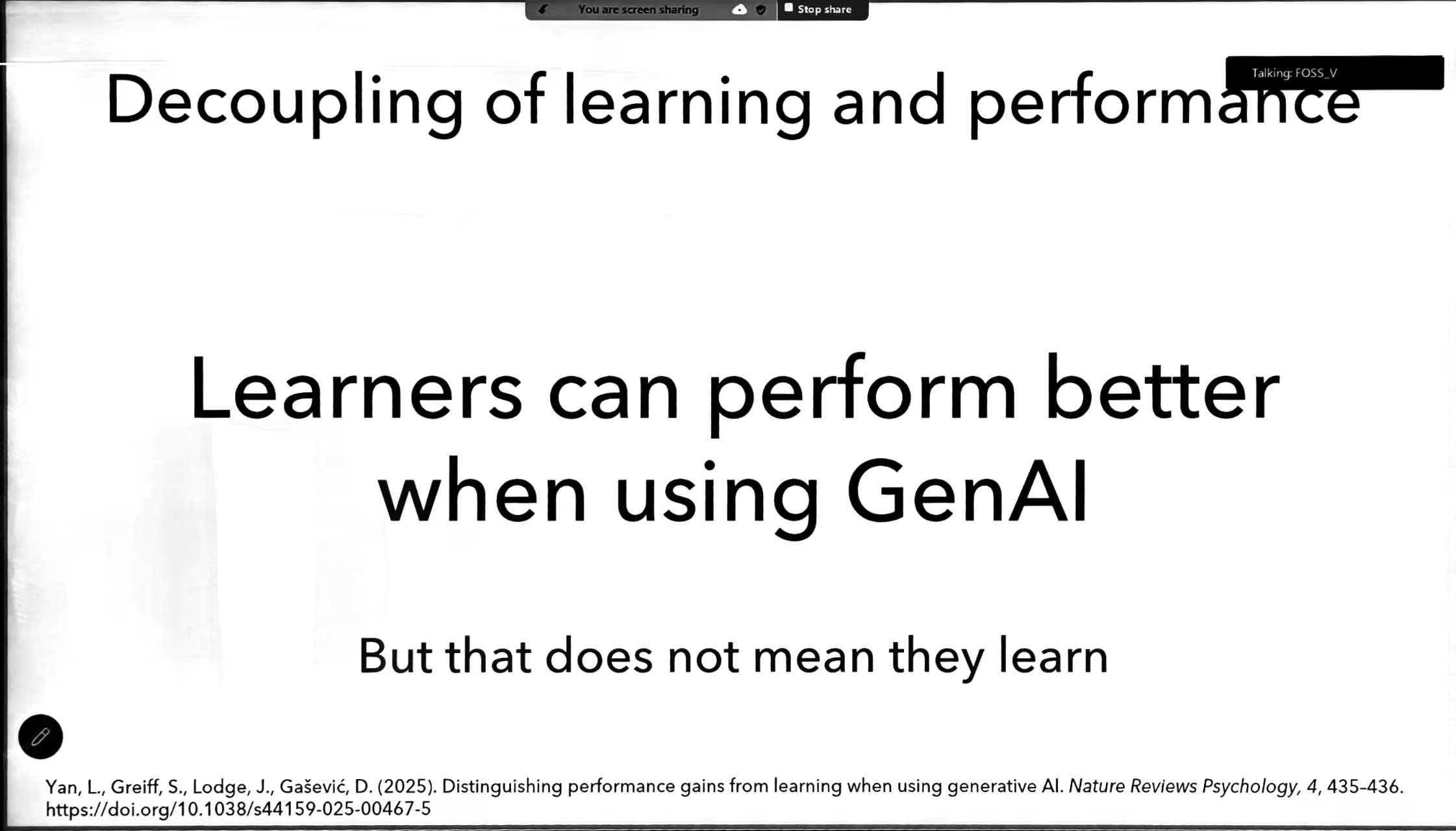
decouple learning and performance
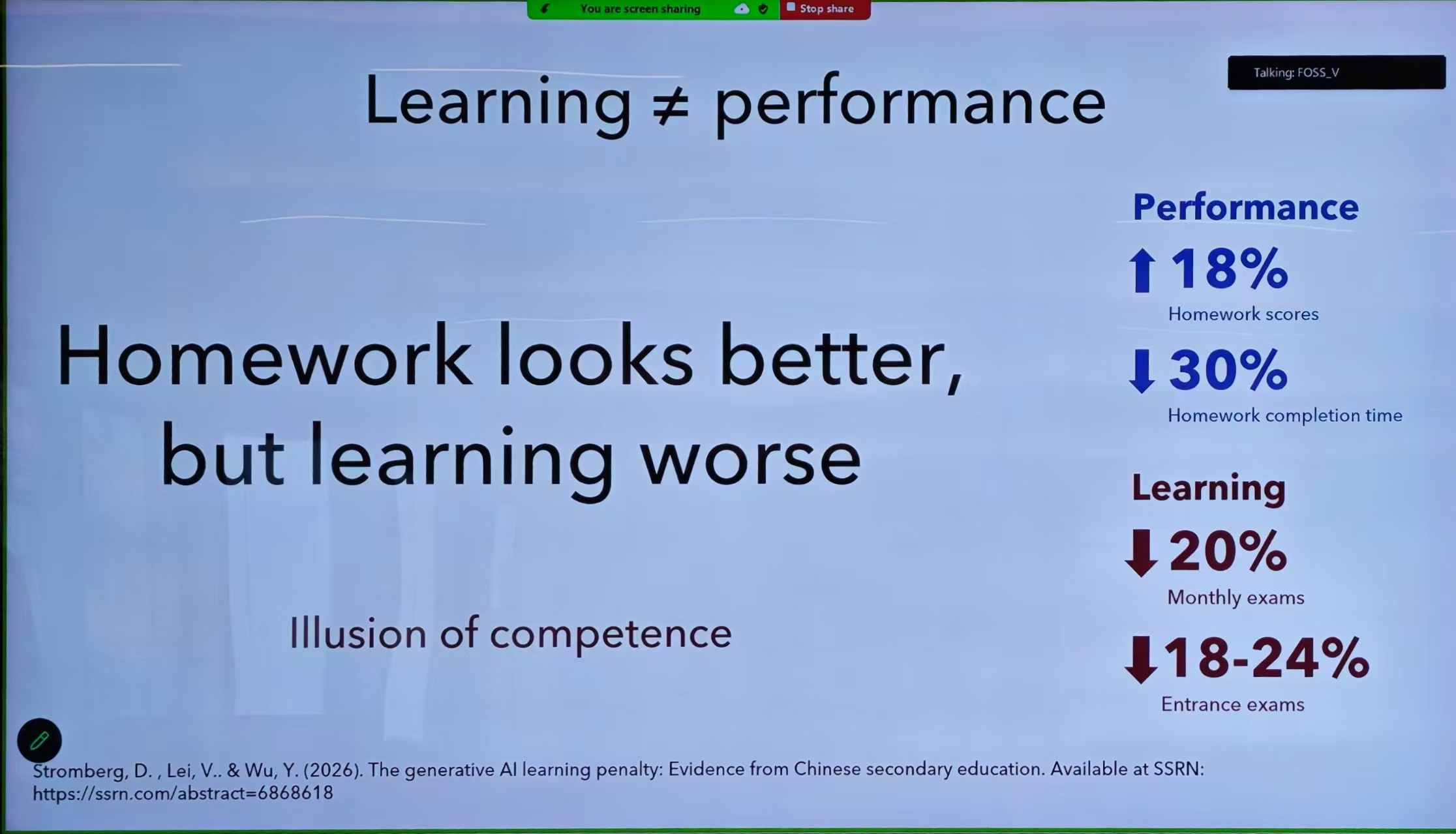
- now performance is not a good proxy of learning (homework looks better but learning is worse; feedback looks better, but not maintained after ai removal)
![]()
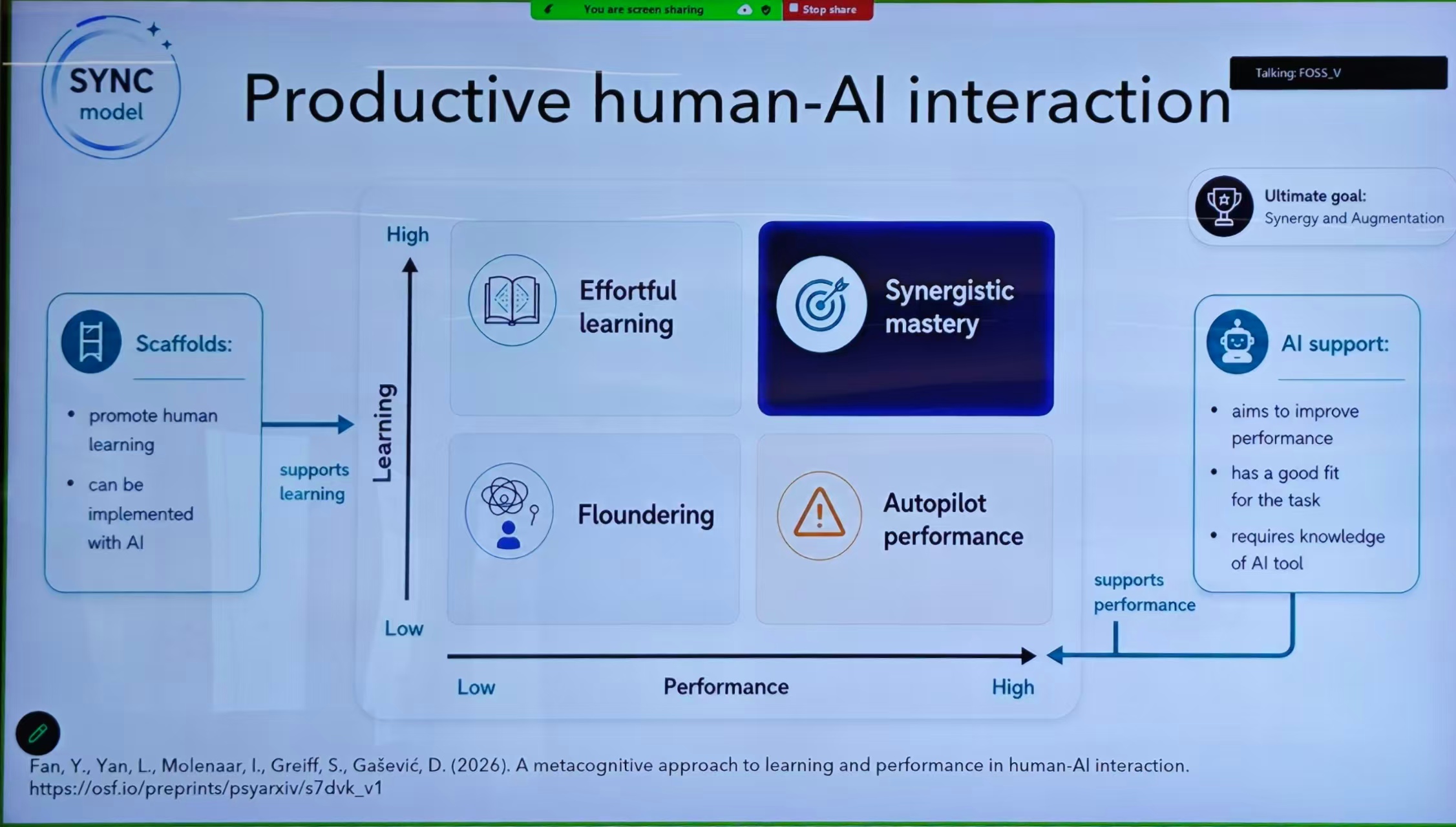
core assumption: Synergy of human and AI capabilities can only happen with high human capabilities
learning to prompt only is enough? we still need to remember something, while meta-cognition depends on existing knowledge

proposed productive human-AI interaction
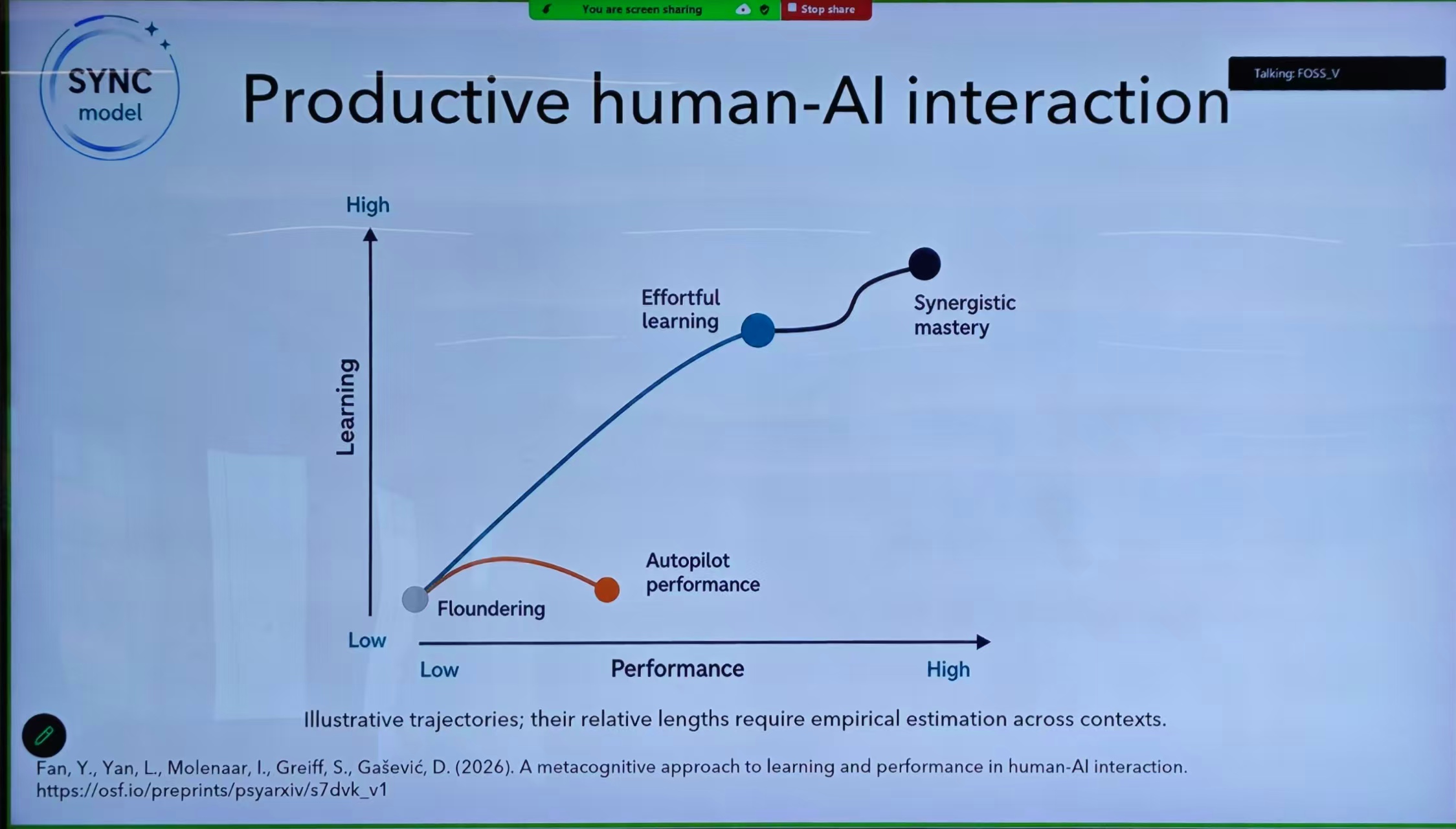
learners get stuck in auto-pilot
metacognition is hard for those reasons.
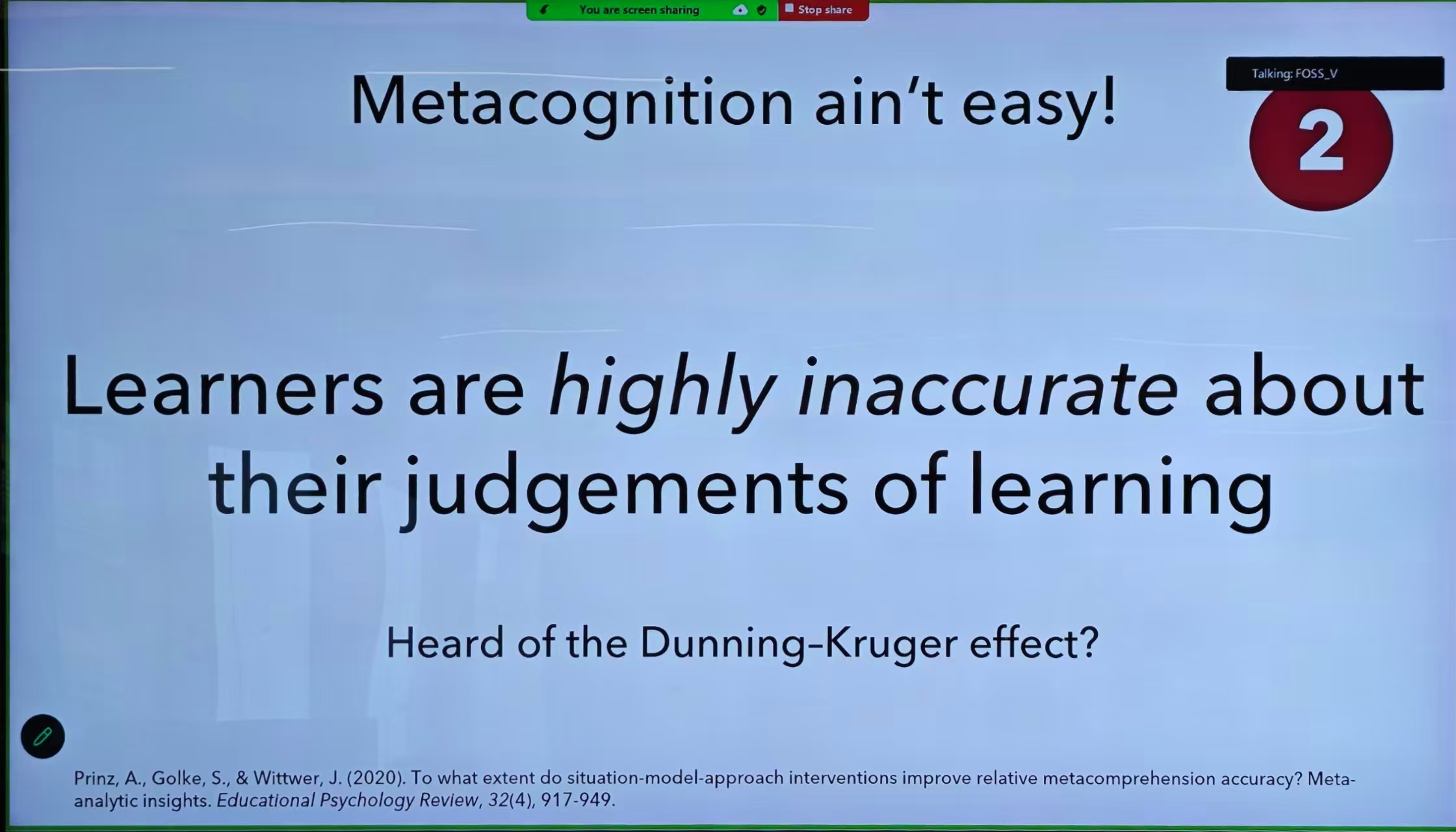
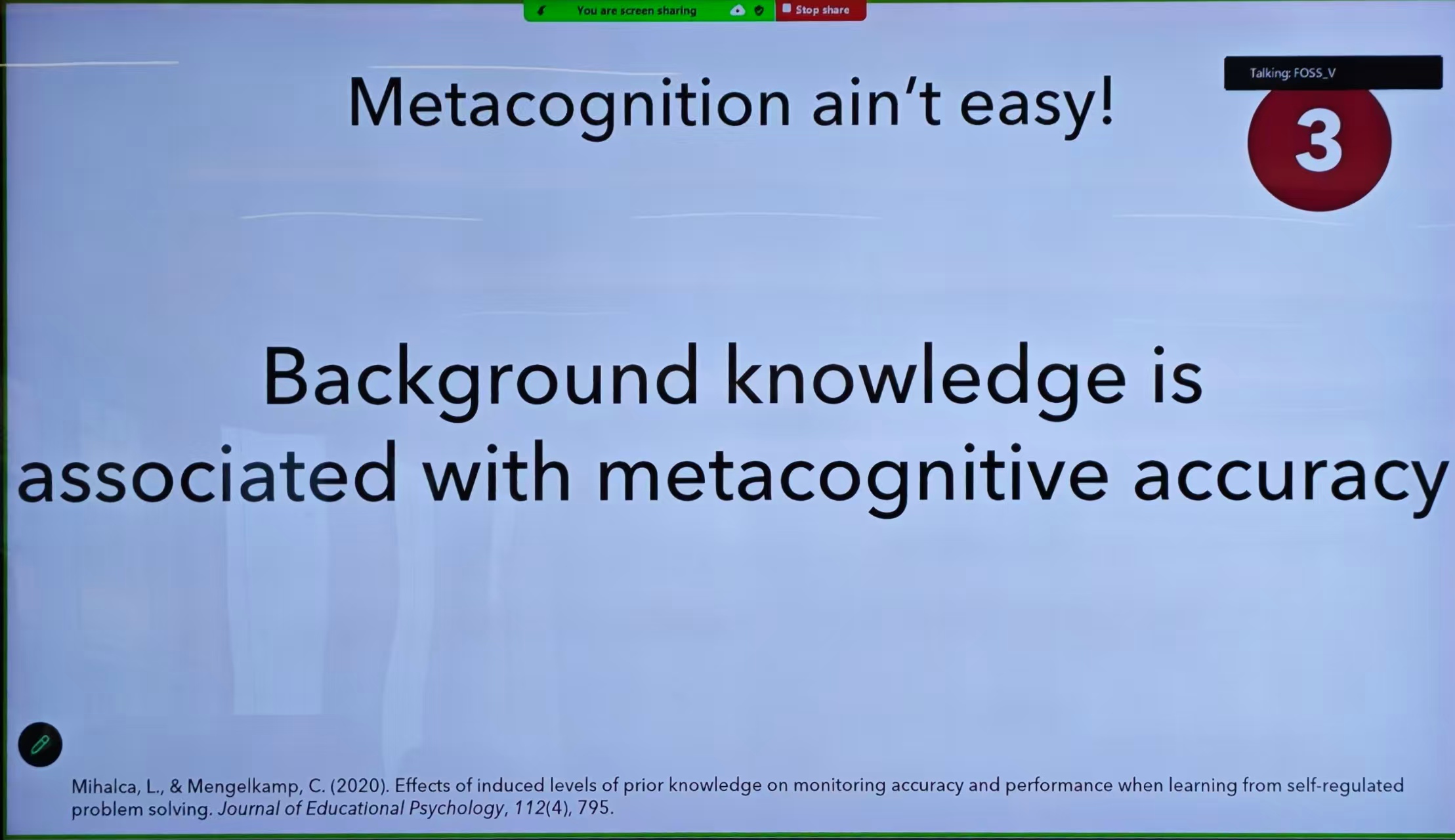
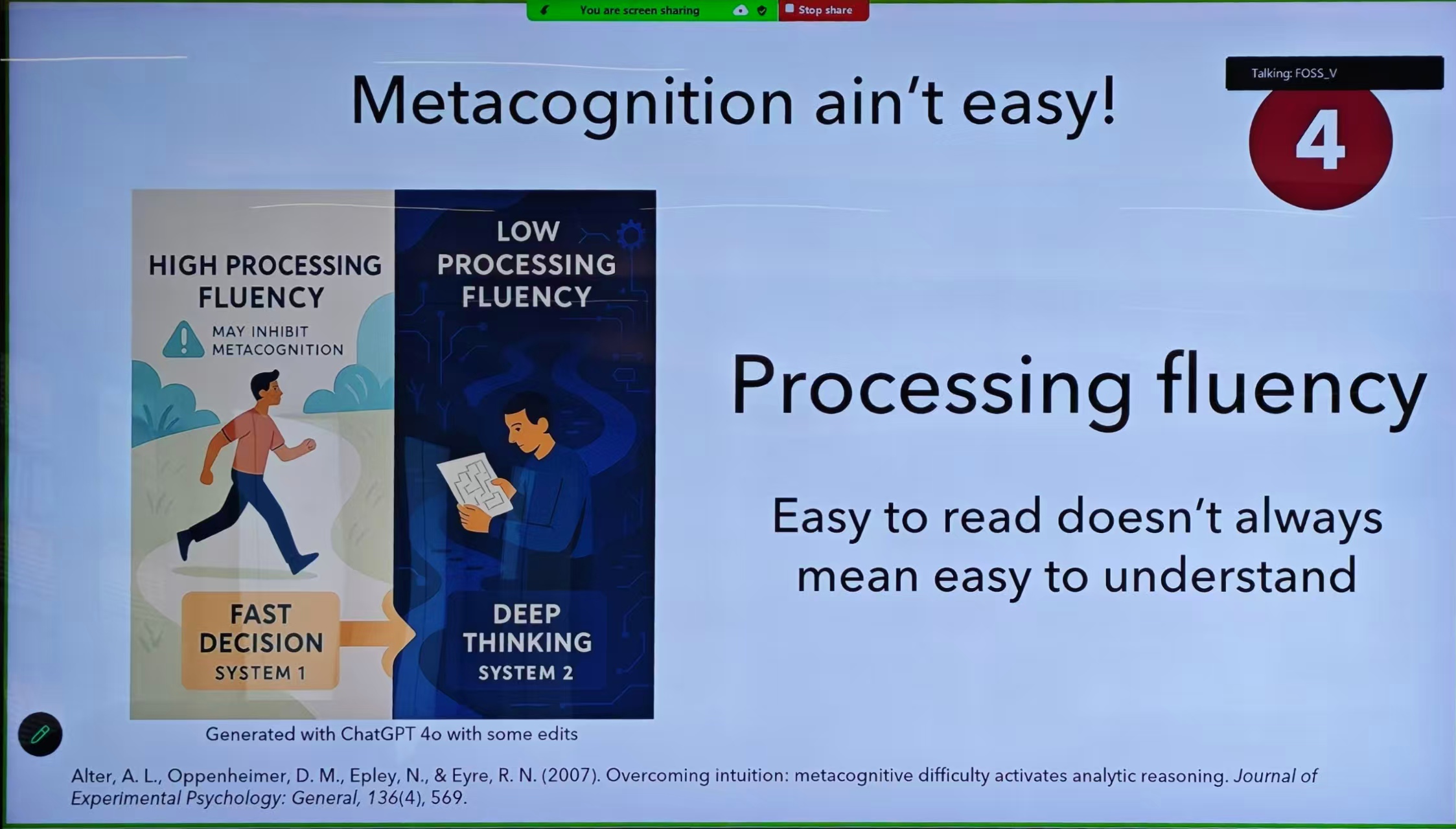
learner meta-cognition offloading cycle
meta-cognition laziness
![]()
- even happen to academics: Researchers make inquiry more, but with less depth.
![]()
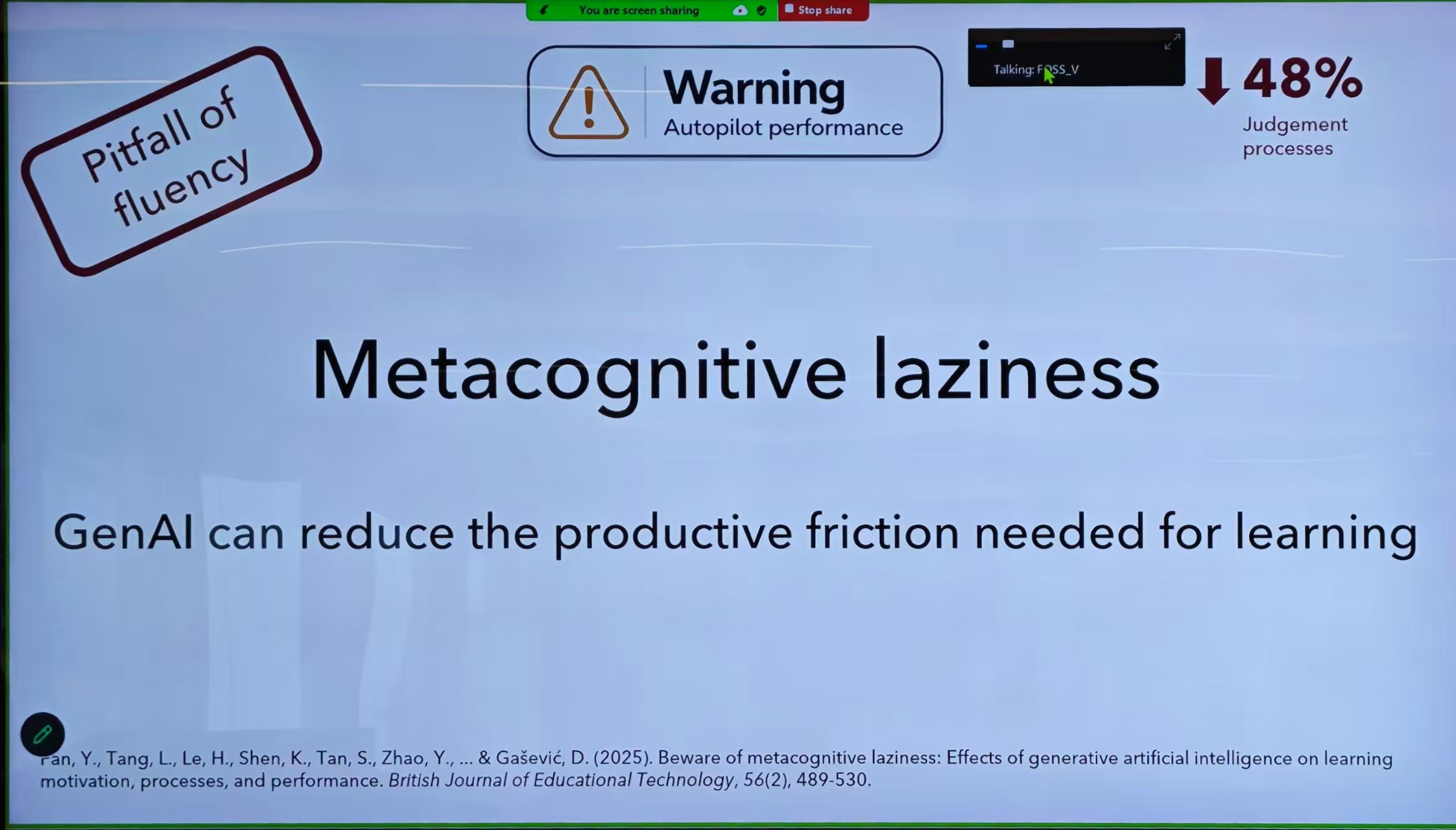
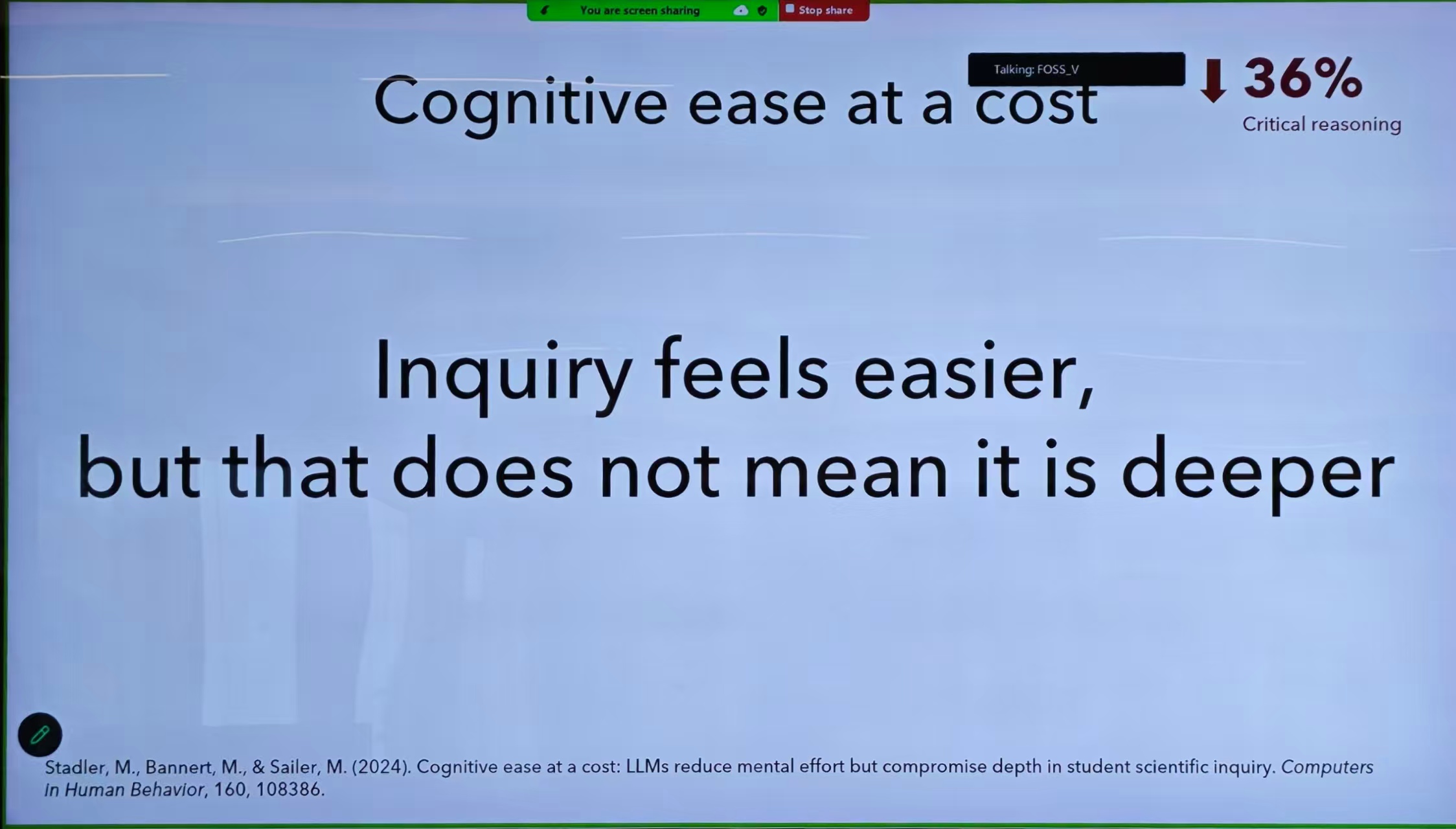
coherence pitfall

creative potential: group convergence

internalization of ai’s bias
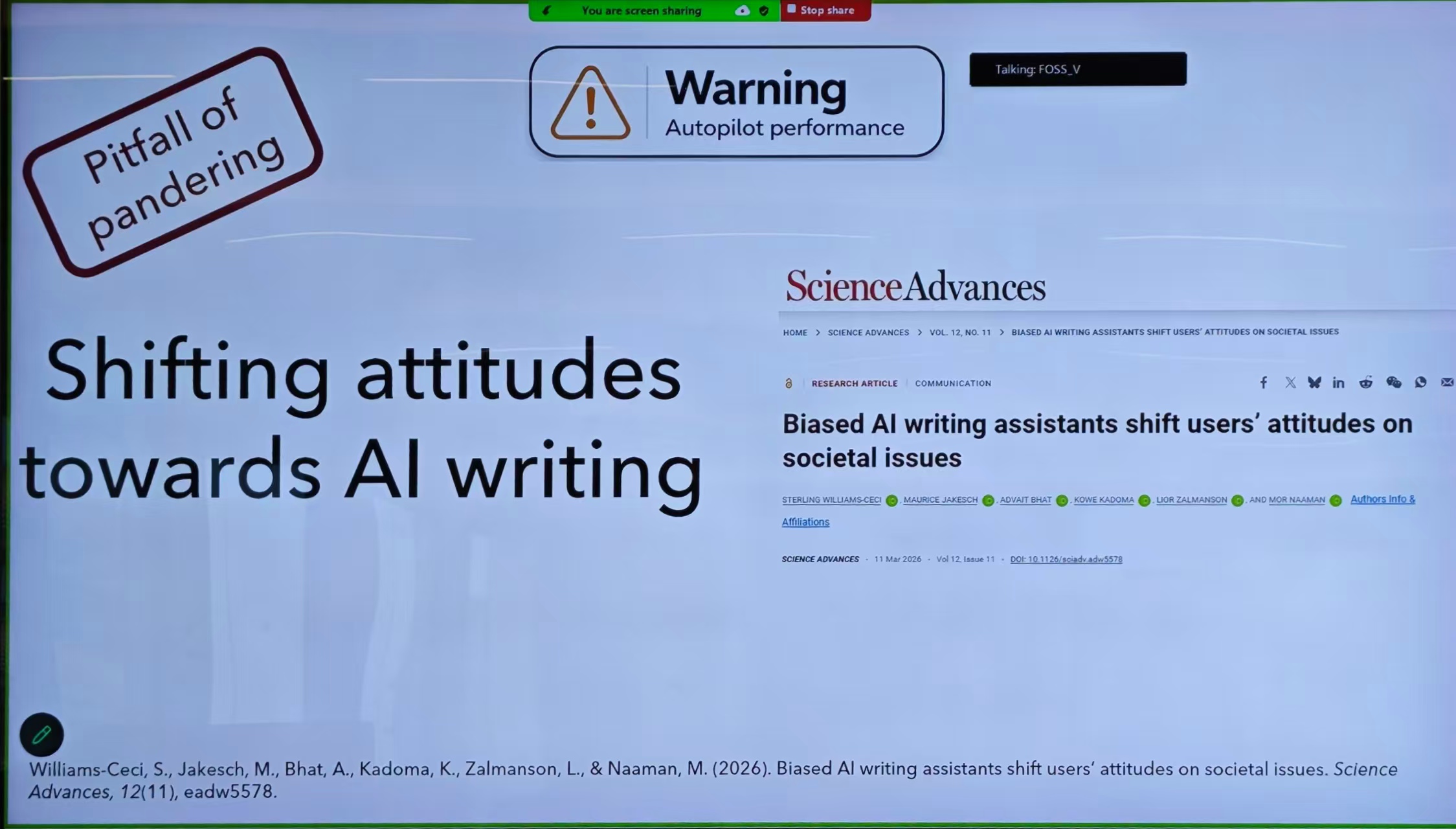
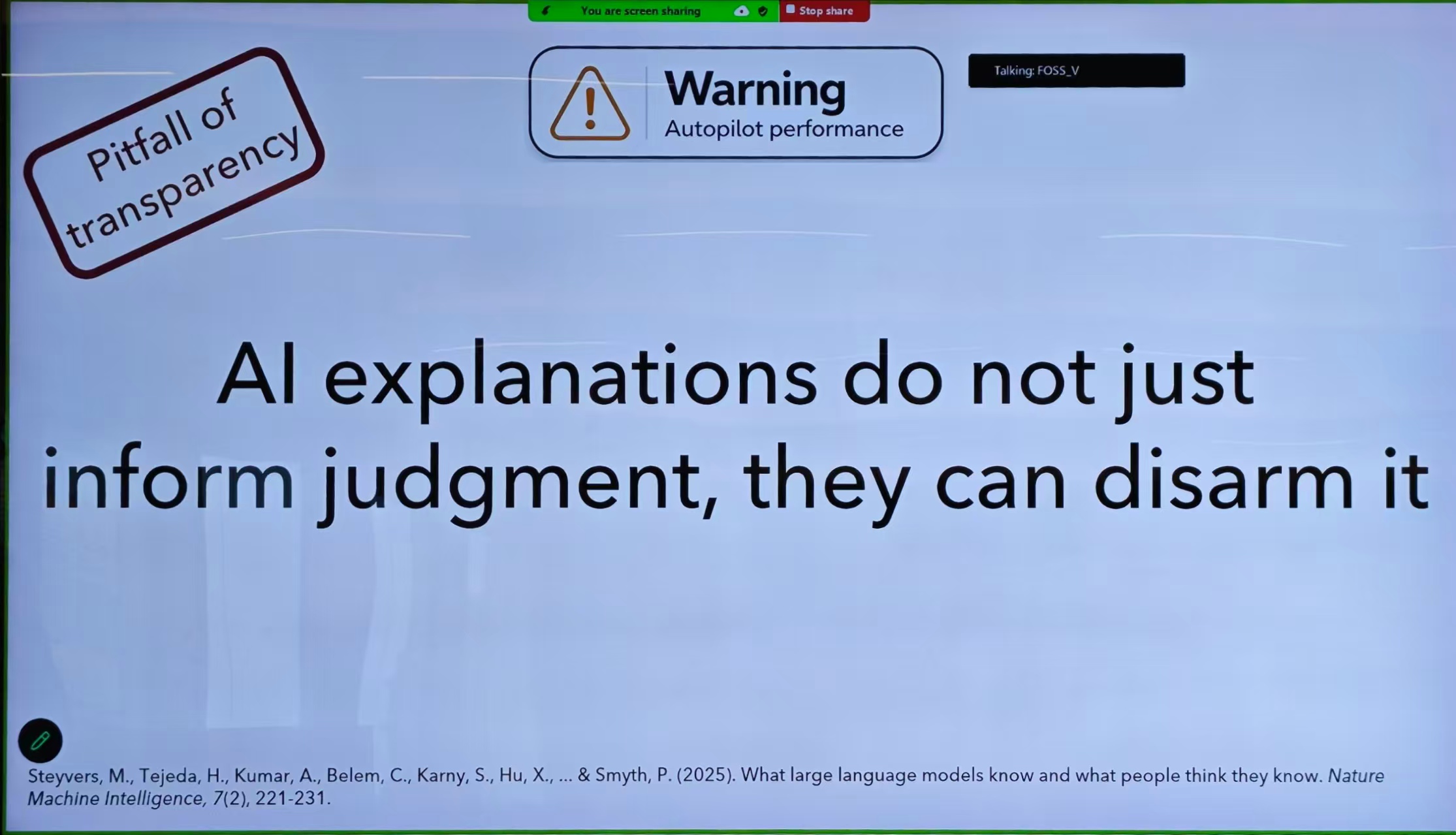
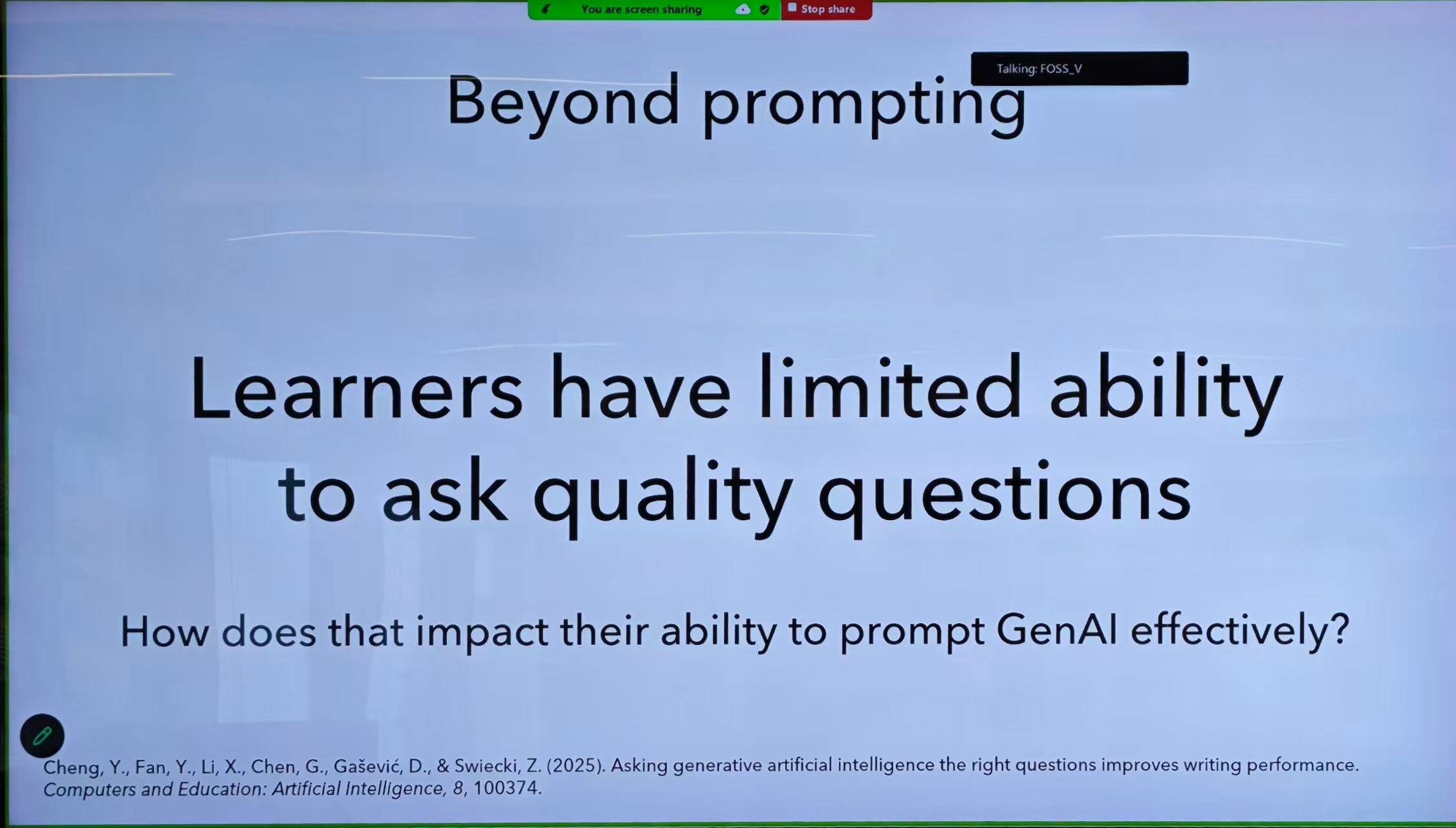
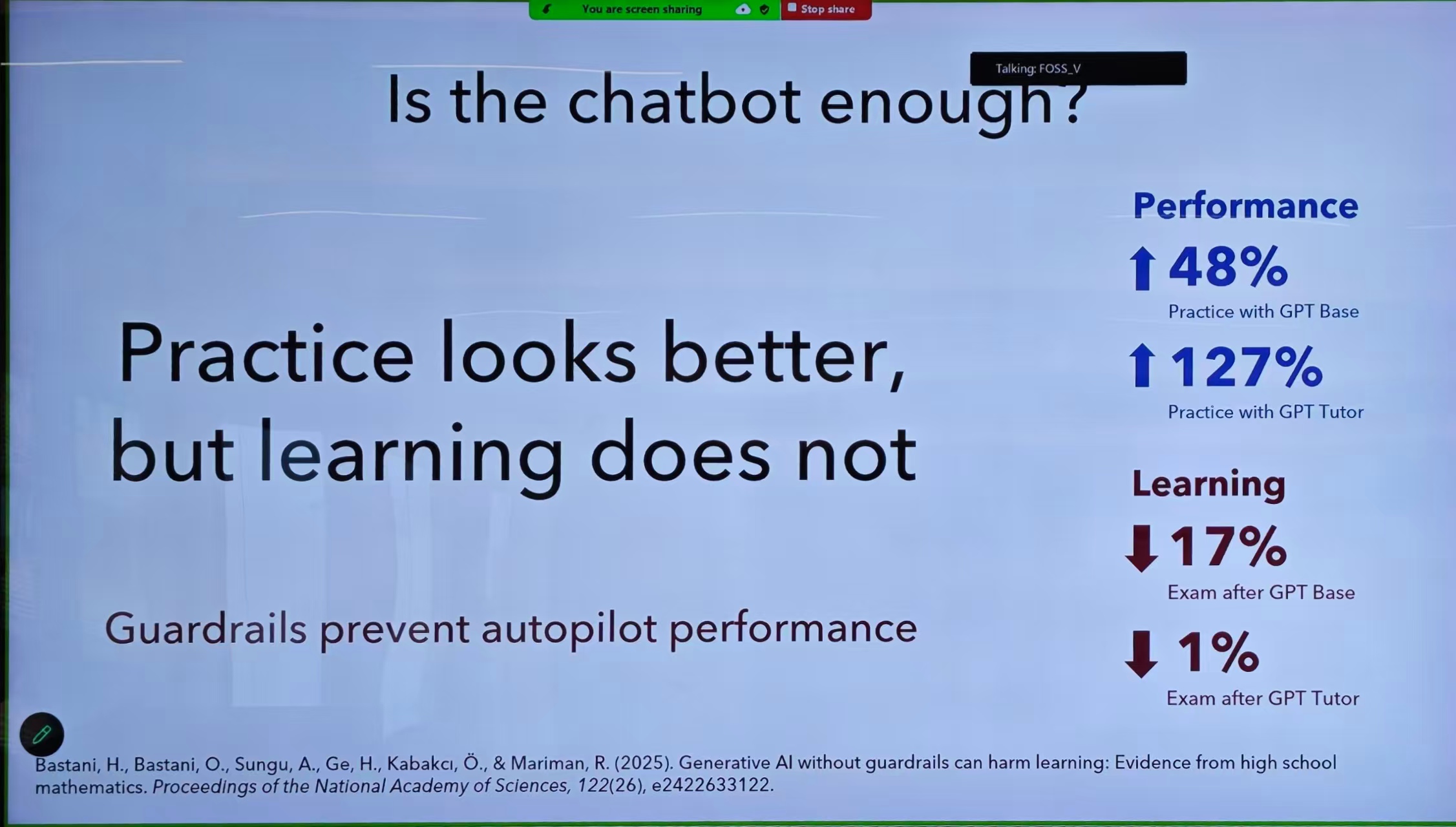
Designing for learning
metacognitive onloading: no resources in metacognition, but resources are important. intentional and novel design is needed
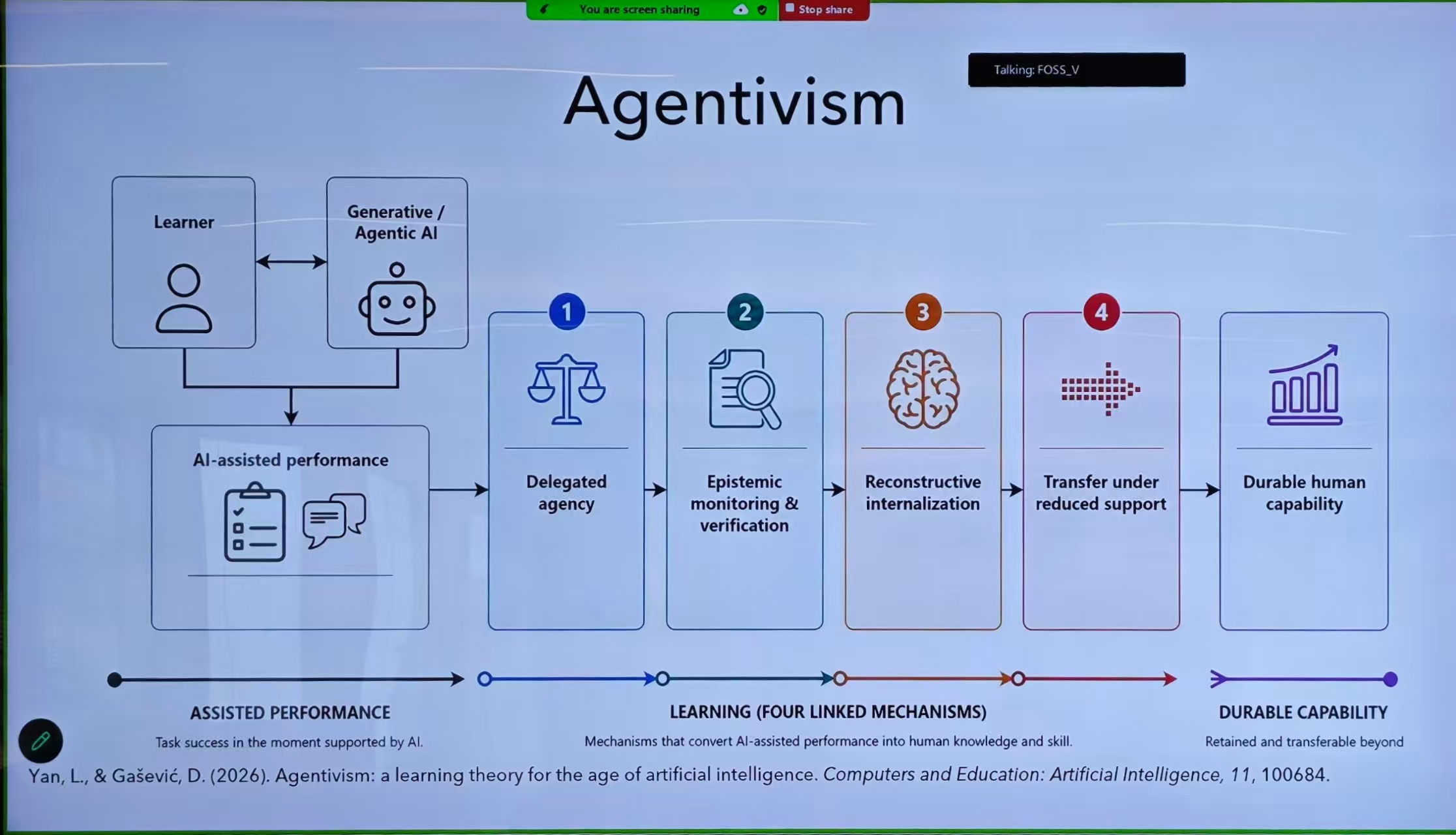
adaptive scaffolds
control interaction with information instead of delegating to AI
perspectives and counter arguments, and label uncertainty; teacher encourage those
llm tutors are not sufficient for learning
assessing human capability: how do we assess learning?
we can assess what learners can do when AI support is reduced
ask not only what learners can produce, but also how they get there (assess process of knowledge construction):
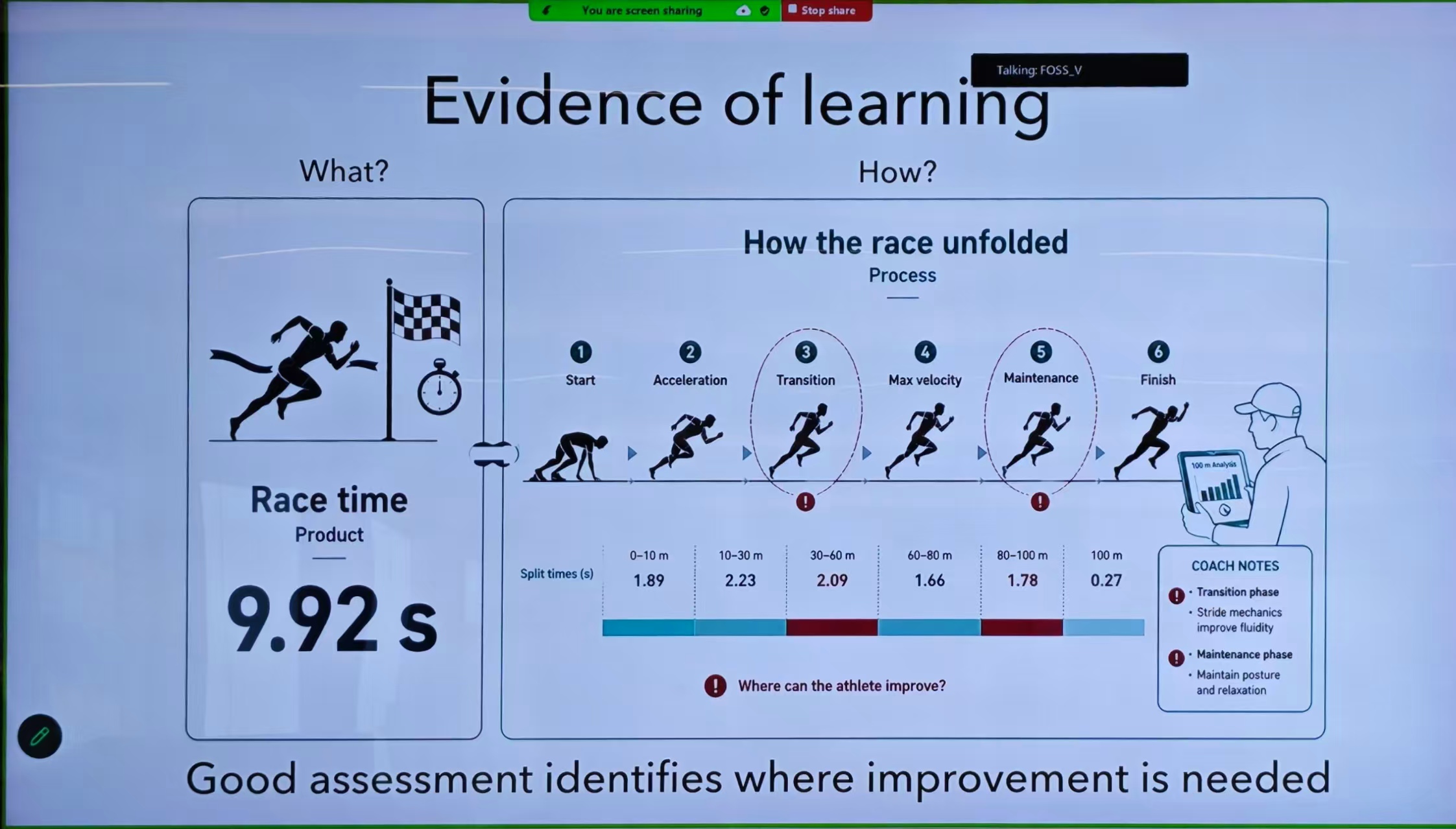
multidimensional evidence: product+process+metacognition
FLoRA engine to collect evidence: trace-based scale of regulatory processes (accountability + knowing their strength + know where to improve)
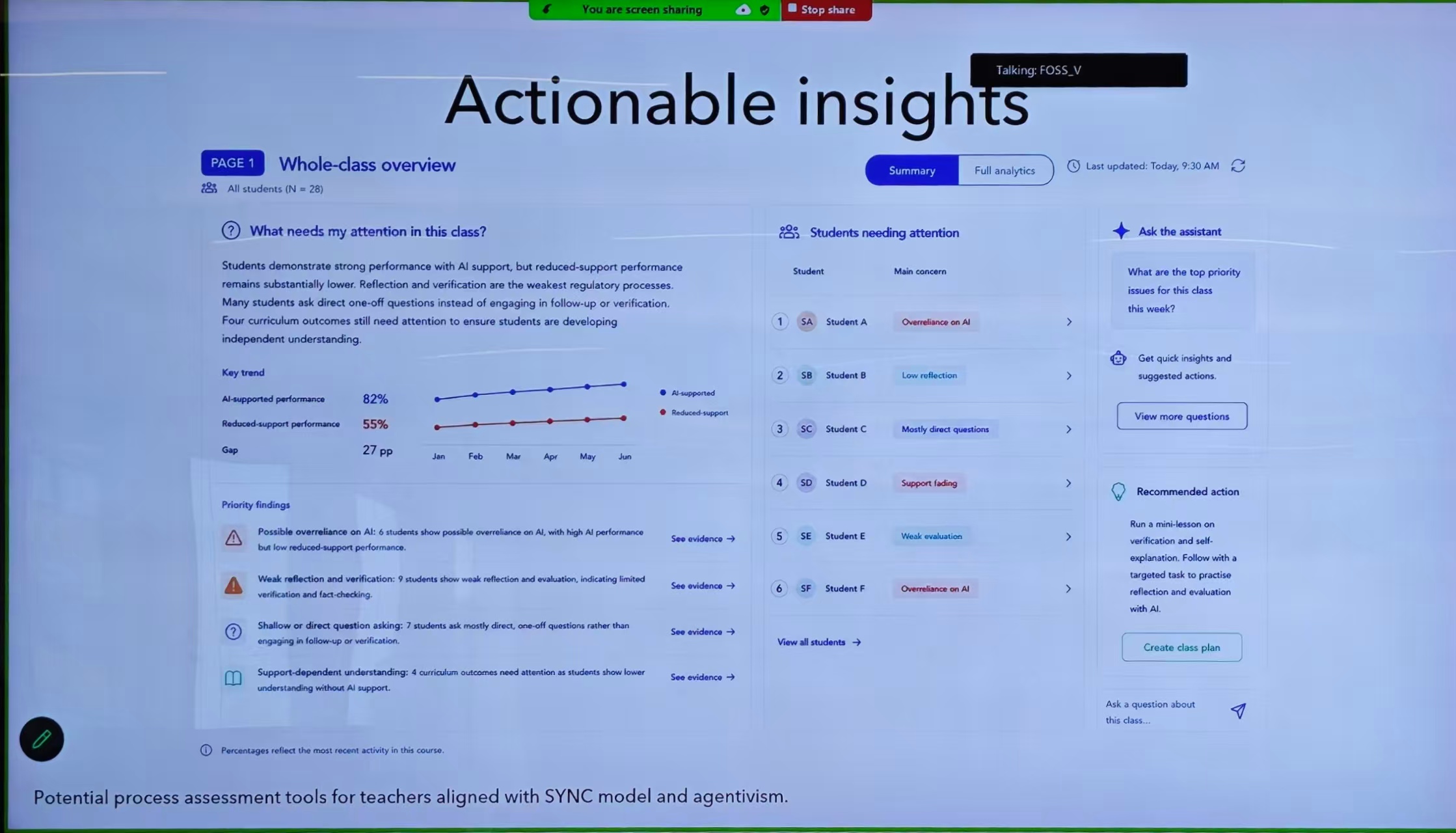
tools for educators (none tech people):
- performance in the process, not only at end of class
![]()
Directions:
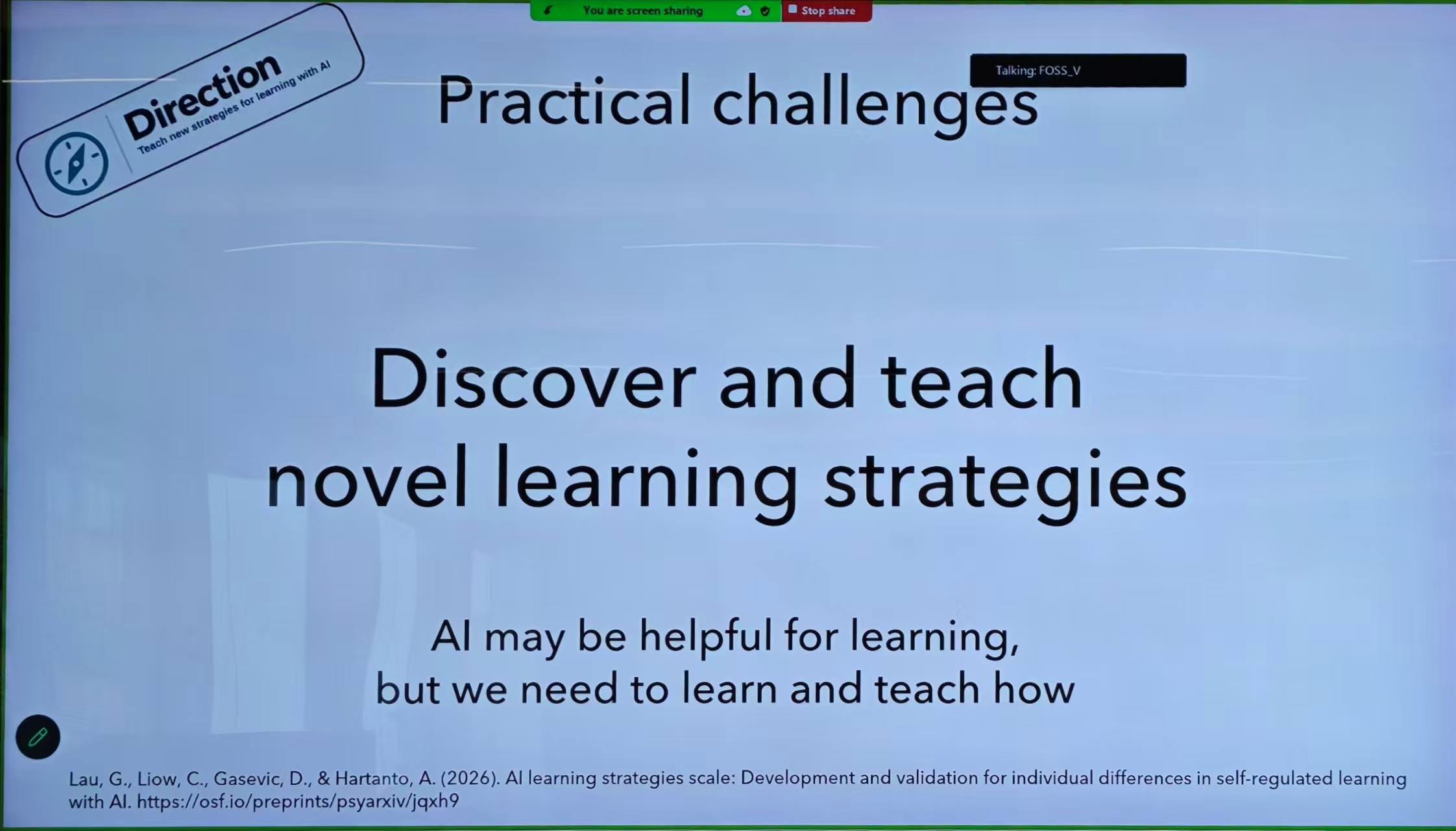
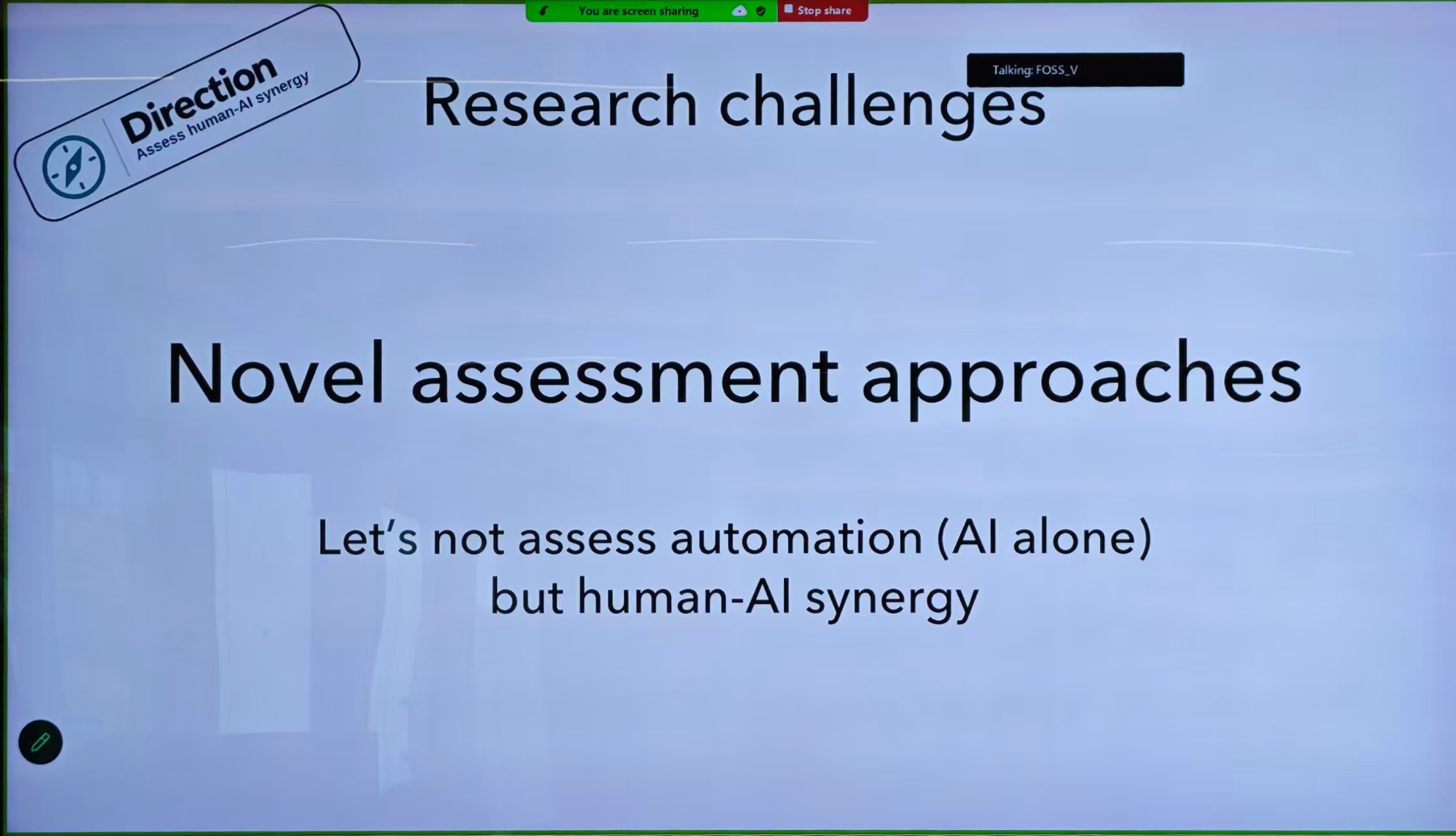
QA:
knowledge is essential for meta-cognition. e.g. tech debt when shipping new feature with AI agent (cursor). without architecture knowledge, the company hits wall of complexity which reduces efficiency.
motivation in learning is important: not using strategy, because not motivated/not know/thought not suited. students need to learn how to interpret feedback
low level skill development
explain yourself to teach AI
my question: when learning things outside classroom, is there better ways than self-discipline in practicing meta-cognition onloading?
- self explanation
- explain to others
- act of writing to organize an argument
- find a colleuges and try to convince others (go back to code 3 weeks later) space learning differnt perspectives on same material, constant critisism on myself
AI cannot replace intuition, architecture and efficiency of code is not changing.
liability is the key for blackbox system like AI
job is not tasks, ai loop is brute forcing